Essential Features of a High-Quality Network Rack
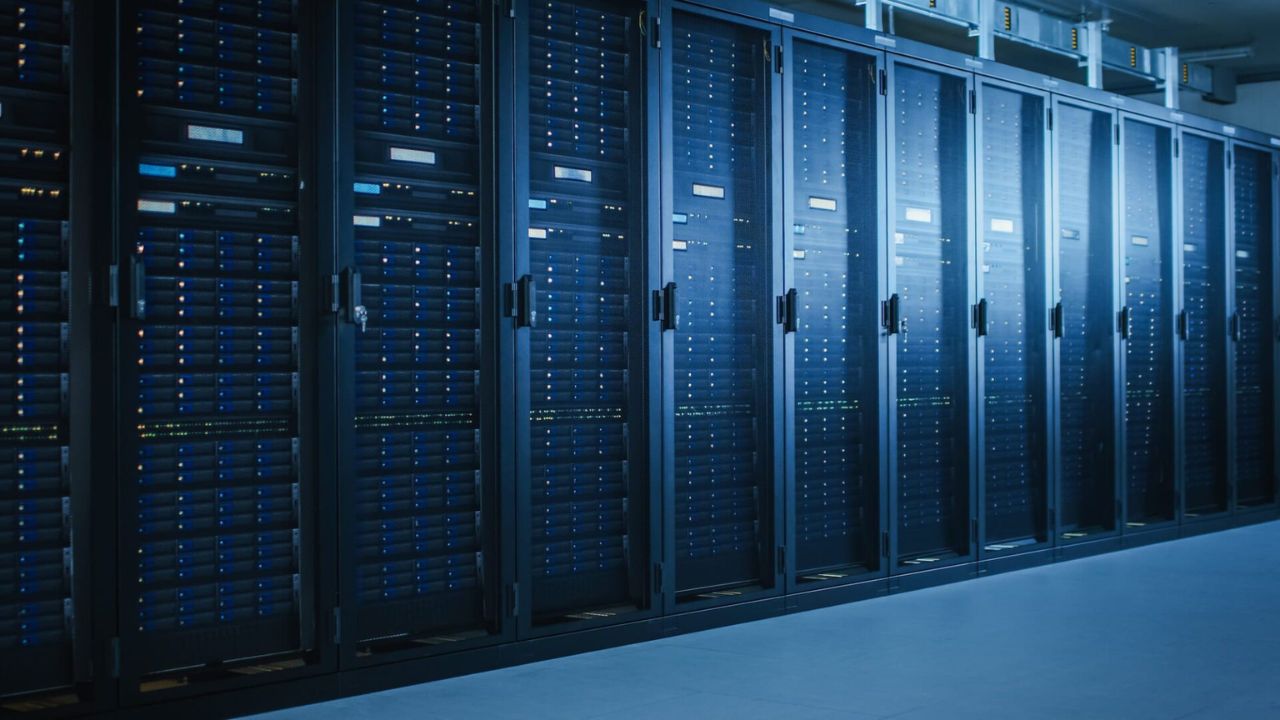
The racks of networks are not only storage devices but also have become strategic elements that determine the performance, organization, and security of the data center and networking devices in contemporary information technology setups. A good quality network rack contains servers, switches, routers, and other hardware, besides the ability to move air efficiently, channel cables, and maintain the systems. In the case of businesses and data centers aiming at reliability and scalability, the selection of the appropriate network rack is vital. Network Rack Manufacturers are important in supplying network rack enclosures that satisfy these stringent requirements.
Structural Integrity and Load-Bearing Capacity
The structural integrity of a network rack is the basis of high-quality. The frame used should be of a strong material that can withstand different weights of tools for a long duration, e.g., steel or aluminum. The capacity of loading is extremely important, especially with high-density installations where several servers and switches are arranged vertically. There is testing of racks by manufacturers under the maximum load conditions to ensure maximum stability and a reduced risk of equipment destruction or loss of productive operation. The frame design is also reinforced properly in order to avoid vibrations, which would influence delicate hardware.
Compatibility with Standard Equipment
The compatibility of a superior network rack with standard equipment size and mounting should also be another essential feature. The racks of the network are in accordance with known standards, such as the rack width of 19 inches and the height of the rack units that can be adjusted. Different-sized hardware would be supported on quality racks and servers, and patch panels and network switches could be installed easily on the quality racks. Manufacturers make sure that mounting rails are adjustable and accurately aligned, thus flexible to arrange and rearrange equipment as the operational requirements change. The compatibility eliminates installation mistakes and ensures long-life usage.
Efficient Airflow and Cooling Solutions
Achieving thermal management is a vital issue of network rack design. Servers and network equipment do produce large amounts of heat, which has to be effectively cooled to ensure maximum performance. The best network racks have features like ventilated doors, perforated side panels, rear airflow channels, etc., that have helped to allow the correct cooling. Others are racks that can be used alongside the hot aisle and cold aisle containment plans in data centers, which use the best possible airflow routes and minimise energy use. The cable placement and internal spacing of manufacturers are also considered to avoid the hindrance of airflow, to allow the cooling systems to be functional.
Integrated Cable Management
The other important aspects of an efficient network rack are organization and accessibility. Tangling is avoided by using proper cable management, signal interference is minimized, and maintenance is made easier. Quality racks have built-in vertical and horizontal cable managers and have optional power and data cable routing. Such features enable the network technicians to find and troubleshoot the connections quickly without interfering with the rest of the equipment. Manufacturers also provide well-structured ways and mounting points to make sure racks can host clean and efficient installations that add to the reliability of operations.
Security and Equipment Protection
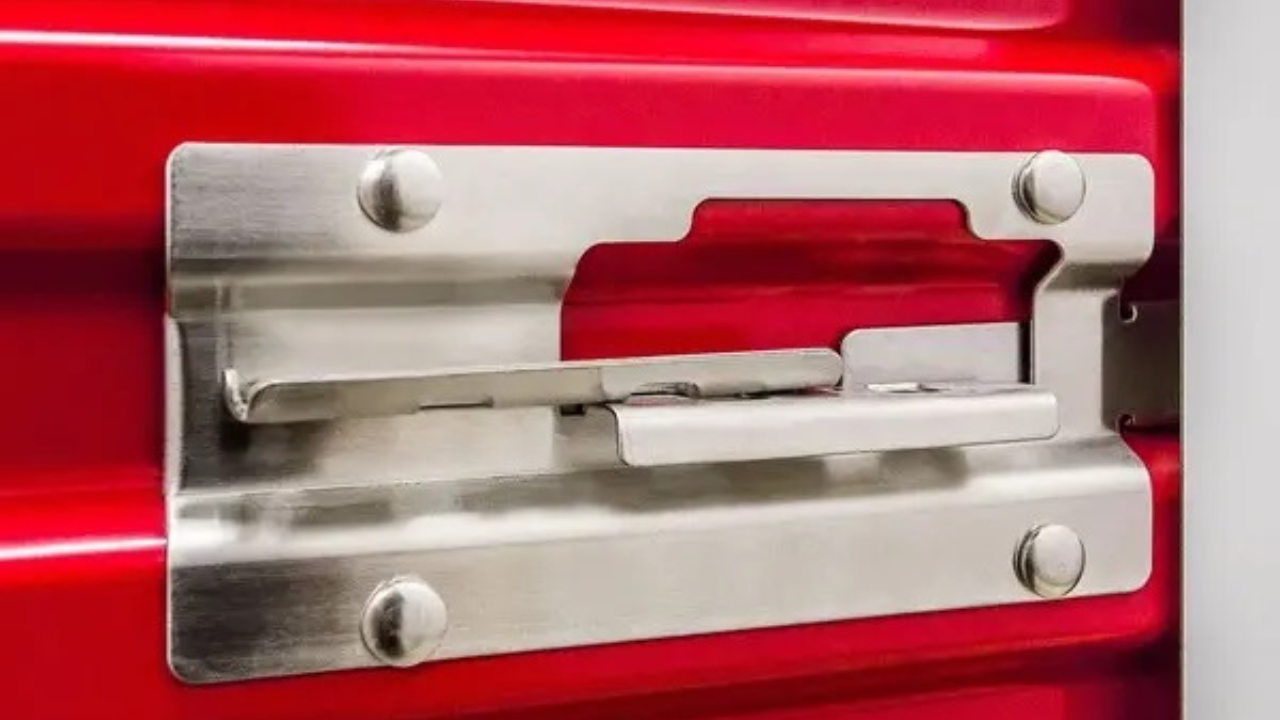
Equipment that is sensitive and valuable is usually placed in network racks, and security is a basic need. The quality of the racks manufactured is characterized by lockable doors, secure side panels, and strong frames to avoid unauthorized access. Besides physical security, racks can have safety features against environmental risks, including dust, humidity, and vibration. In the case of outdoor or edge deployments, certain racks have a greater ingress protection rating, which provides security to the equipment in adverse environments. These protective features are the priorities of manufacturers in order to ensure the integrity of hardware and the protection of data.
Expandability and Flexibility
Another important factor in the design of a network rack is future-proofing. Racks of high quality are modular and scalable, which means that a company can increase the size of its IT infrastructure without making extensive alterations. The rack will fit new equipment and evolving operational needs due to adjustable mounting rails, removable panels, and compatible accessories. Manufacturers offer choices in terms of extra shelves, cable control devices, and power distribution units, which make racks adaptable to the expanding and changing networks.
Conclusion
Quality network racks are necessary as a means to have efficient, secure, and scalable IT operations. Structural strength, equipment compatibility, cooling, cable management, and security are among the features that these racks have been built to cater to the entire spectrum of the current networking requirements. Manufacturers are also crucial in designing and coming up with racks that are both durable, flexible, and functional. Through investment in well-designed network racks, business and data centers are able to assure a dependable performance, easier maintenance, and support potential expansion of the complex IT environment over time.